First 5K Race Tips: Your Race-Morning Checklist
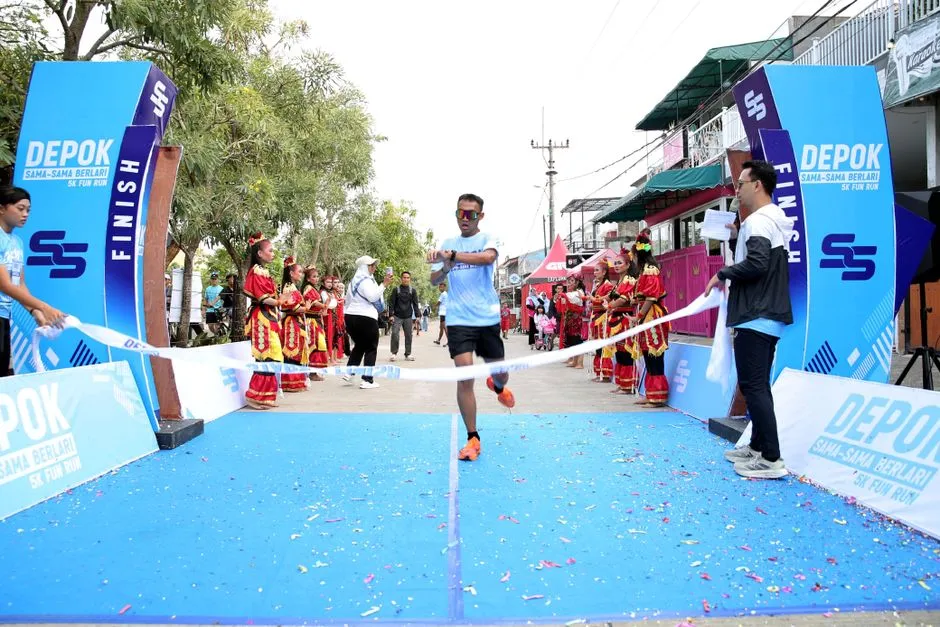
- What should you do before your first 5K starts?
- Which instructions should you save the night before?
- Can you collect your bib on race morning?
- How do you turn the start time into a departure time?
- What should you lay out and pack?
- How should you handle breakfast and the bathroom?
- What should you do with the bib and start group?
- How much warming up belongs in the morning?
- When should the checklist stop and medical help take over?
- Sources
What should you do before your first 5K starts?
Read your event's final instructions, confirm bib collection and travel arrangements, and prepare familiar clothing, food and equipment. Work backward from the required start-area arrival time, allowing for queues and toilets. Follow the organizer's wave and bag rules rather than another runner's routine. Keep the warm-up familiar, and do not start with pain or concerning symptoms; seek appropriate medical help instead.
This checklist is for an adult who has prepared for the event and wants the practical details settled. It does not turn an untrained morning into a suitable day to run a race. Keep the gradual work in the beginner run-walk plan separate from the arrangements below.
Which instructions should you save the night before?
Open the organizer's current participant guide and latest event messages. Save the information you will need when mobile reception is poor: the permitted entrance, registration reference, bib arrangements, transport directions and start instructions. Check that you have selected the correct distance and event date.
Use this original planning sheet. Fill each answer from the current event information; an empty cell is a question to resolve before travelling.
| Decision | What to record |
|---|---|
| Getting there | Arrival point, transport booking and an alternative route |
| Collecting a bib | Place, collection window and required identification |
| Entering the start | Your wave or group, entrance and closing time |
| Carrying belongings | Permitted bag, drop-off point and collection arrangements |
| Meeting afterward | Named landmark outside the finish flow and a contact plan |
Send your companion the meeting point in plain words. “By the finish” may describe several crowded places. Agree what you will do if one phone loses power, and keep the return ticket or payment method accessible.
Can you collect your bib on race morning?
Only if your event says so. New York Road Runners' race procedures describe advance collection and race-day collection for many events, with locations and hours on each race page. That is not a promise that every race offers both options.
Its general instructions ask runners to arrive at least 60 minutes before the start, allowing for bags and toilets, and reach their corral at least 10 minutes before the start. Treat these as NYRR instructions, then use your own organizer's requirements.
Once you have the bib, check that the details and assigned start group are yours. Ask staff to resolve a mismatch. An entry confirmation on a phone and a physical race bib may serve different purposes; carry what the actual collection process requires.
How do you turn the start time into a departure time?
Work backward from the earliest obligation you must meet, not just the advertised gun time. Include collection, security or bag procedures if they apply. Check road closures and the walk from your transport stop to the permitted entrance.
Here is a fictional planning example, not an event timetable. Your instructions require you in the start area at 08:50. You reserve 35 minutes for your own on-site tasks, giving an arrival target of 08:15. If travel plus the walk to that point takes 40 minutes, departure is 07:35. Extra uncertainty needs extra margin; those invented allowances are not estimates of real queues.
Write the departure time where you will see it while getting ready. If the plan has no room for a missed connection, reconsider the journey before race morning.
What should you lay out and pack?
Lay out the shoes, socks and clothing you have already used comfortably. Check laces, pockets and permitted bib attachments. The beginner running-shoe guide covers fitting; the start line is an inconvenient place to discover an unfamiliar pair rubs.
Keep running items separate from things you intend to leave. Our suggested bag check is simple: identify where each essential will be during the race and how you will recover it. Do not bury your return ticket in a bag whose collection arrangements you have not checked.
The Boston Athletic Association's Boston 5K information, checked on September 13, 2026, describes gear check near the start, provided bags and collection shortly after finishing. Other events can use different locations and rules. Confirm your own service before bringing extra clothing or luggage.
How should you handle breakfast and the bathroom?
Keep food familiar. The NHS Couch to 5K guidance suggests a light carbohydrate-based snack 1 to 2 hours before running, with a banana or toast as examples. This is general beginner guidance, not an individual nutrition prescription or a reason to ignore your medical or dietary requirements.
Build the timing around what you already tolerate before training. If you have not rehearsed an early start, do not solve the uncertainty with an unfamiliar supplement or a large last-minute meal. Prepare the food the night before so a rushed departure does not choose it for you.
Locate the toilets when you arrive and allow for waiting. Use the facilities provided and follow staff directions; do not assume the nearest café will be open or available to participants.
What should you do with the bib and start group?
Read the attachment instructions for the timing system you were given. NYRR's competition rules require its bib on the front of the outermost garment, visible and not folded, wrinkled or covered. Its timing device is in that bib. Do not remove a component because somebody else's race used a different system.
NYRR also permits moving to a slower wave or corral, but not a faster one. Your event's assigned group and officials' directions control your start. If you want to run with a friend, resolve the arrangement before the entrance closes; do not climb a barrier or squeeze into another group.
Once you are in position, keep listening. Put away distractions long enough to hear changes to the route or start procedure. Ask an official if an instruction is unclear.
How much warming up belongs in the morning?
Keep it modest and familiar. The NHS running-injury guidance suggests 5 to 10 minutes of brisk walking or gentle jogging before running. For a beginner accustomed to a walking warm-up, there is no need to copy another runner's fast drills.
Find permitted space without blocking entrances or moving unpredictably through a queue. Do not let an elaborate warm-up make you miss your required arrival time. The actual running strategy belongs in the first-5K pacing plan; settle that before joining the crowd.
The same NHS guidance says not to run with pain. An injury or unresolved symptom needs a qualified clinician's assessment, not a decision to see whether racing makes it disappear.
When should the checklist stop and medical help take over?
Stop for concerning symptoms and seek event medical help. Tight or squeezing chest pain, pain spreading to the arms, neck or jaw, or severe difficulty breathing requires emergency help: the NHS heart-attack guidance identifies these as reasons to call 999 in the UK. Elsewhere, use the local emergency number. Do not wait to finish or reach a meeting point.
For an ordinary change of plan, tell your companion and follow the organizer's withdrawal instructions. A morning can be well prepared and still end without a start. The checklist has done its job if it helps you make that decision clearly.